
Research
Effective scam prevention starts with understanding how scams work. My research examines the psychology of scam manipulation from both the victim's and the scammer's perspective, with the goal of developing prevention strategies that are more relevant, persuasive, and effective.
Thesis
My PhD research explored why some people are more vulnerable in scam situations than others. I conducted interviews with scam victims to define the anatomy of the scam and developed the Susceptibility to Fraud Scale, a psychometric measure featuring the individual factors associated with fraud susceptibility. I then tested the measure in two experiments against phishing correspondence and a proxy scam situation, demonstrating that scam susceptibility can be linked to personality. By accounting for these individual factors, we can develop more effective and more applicable scam prevention measures. Read more here.
Continuous research
My work has since expanded to analysing thousands of scam communications, including phishing messages, romance fraud conversations, and scam manuals used by organised criminal groups. Through interviews with fraud victims and detailed analysis of scam communications, I was able to understand and identify the psychological techniques scammers use to build trust, groom victims, overcome resistance, and prepare them to comply, even coaching them on what to tell financial institutions during fraudulent transactions.

This research has also informed my academic writing and case studies, exploring how grooming, social media and psychological manipulation are used in different forms of fraud.
Book chapters
White papers
If you’re looking for scam analysis, scam psychology insights or strategic research, get in touch. I’d be happy to help.
Supporting investigative journalism
Additionally, in the past, I have provided expert analysis of scam manuals and scam correspondence for investigative journalists and organisations seeking to better understand scam techniques and psychological manipulation.
SOURCE: REUTERS
Reuters
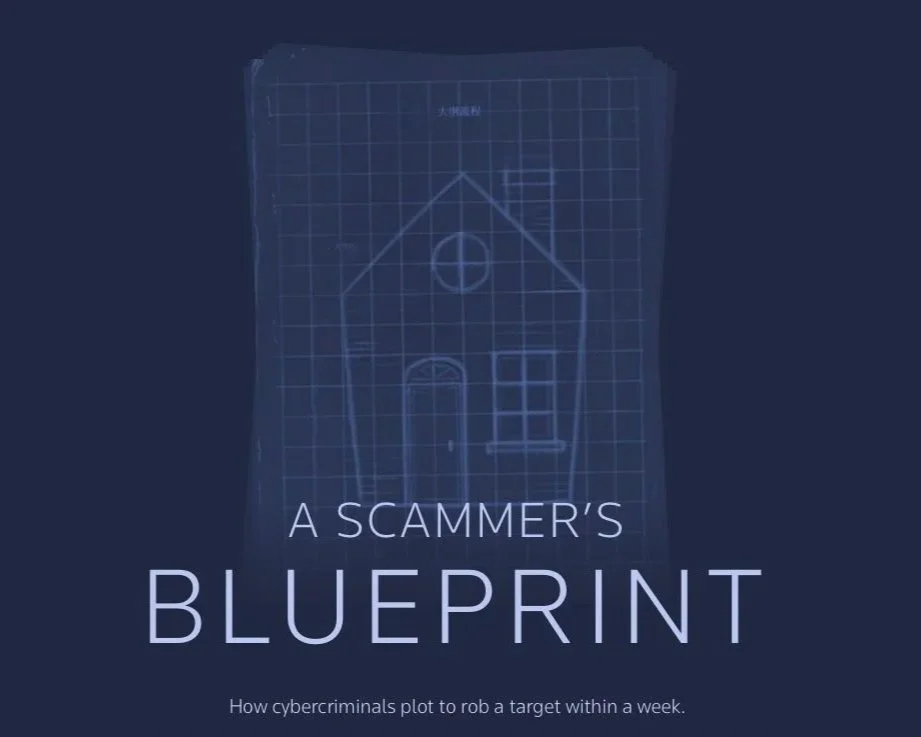
A scammers blueprint: How cybercriminals plot to rob a target within a week.
Consulting highlights
Strategic user research
End-to-end user research that uncovers actionable insights to inform product strategy, user experience, and business decisions. Research may include interviews, usability testing, UX audits, surveys, concept testing, persona development, and behavioral analysis, with practical recommendations tailored to your goals.
Scam psychology consulting
Expert consulting on scam psychology and user experience to strengthen prevention strategies, improve customer communications, and reduce scam vulnerability. Support includes strategic advice, UX reviews, prevention messaging, and guidance on scam-related products and initiatives.
Scam content analysis and intelligence
Analysis of scam messages, scripts, and other data (e.g., victim interviews) to identify the persuasion techniques, psychological manipulation, and behavioral triggers used by scammers. Findings are translated into intelligence reports that inform prevention strategies, customer education, and fraud detection.
Examples:
Training sessions and talks

Research-based training sessions and talks on various topics:
1. Product research methods - helping teams build research capability and apply best practices to product and business decisions.
2. Scam psychology and scam prevention - helping teams understand scam techniques, individual vulnerabilities and effective scam prevention strategies.